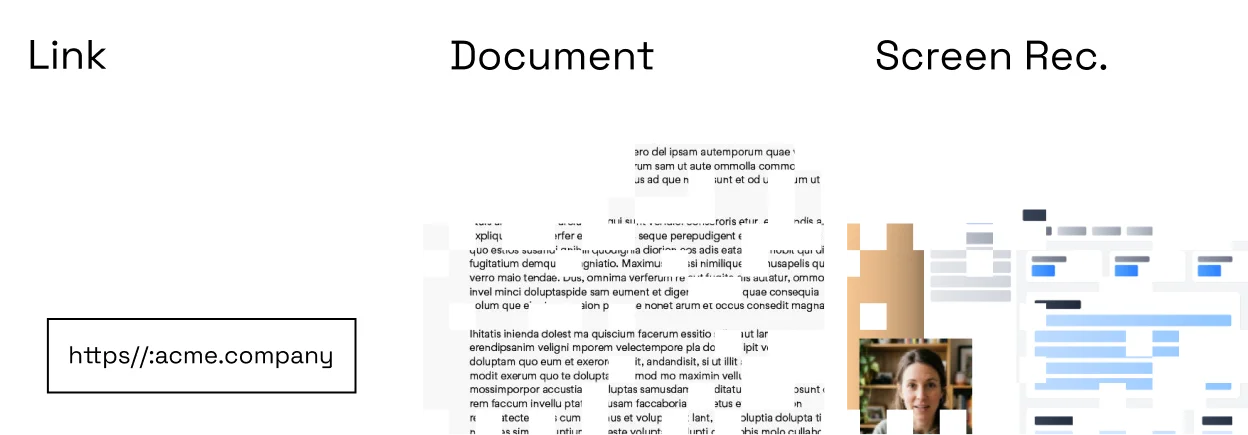
Reads your context
01A deck, a doc, a product URL, or a prompt.
Velo turns your messaging, decks, and product into launch videos, demos, and explainers - on brand, accurate to your product.










You own the launch, the demo, and the messaging - but video is the bottleneck. Launches wait on edits, demo libraries go stale, and the deck nobody watches is your main asset. The product changes faster than the content can keep up. The material exists - in product docs, decks, and positioning - but turning it into clear video is still manual work.
The manual stack
With Velo
Context becomes clear video, in four steps.
A deck, a doc, a product URL, or a prompt.
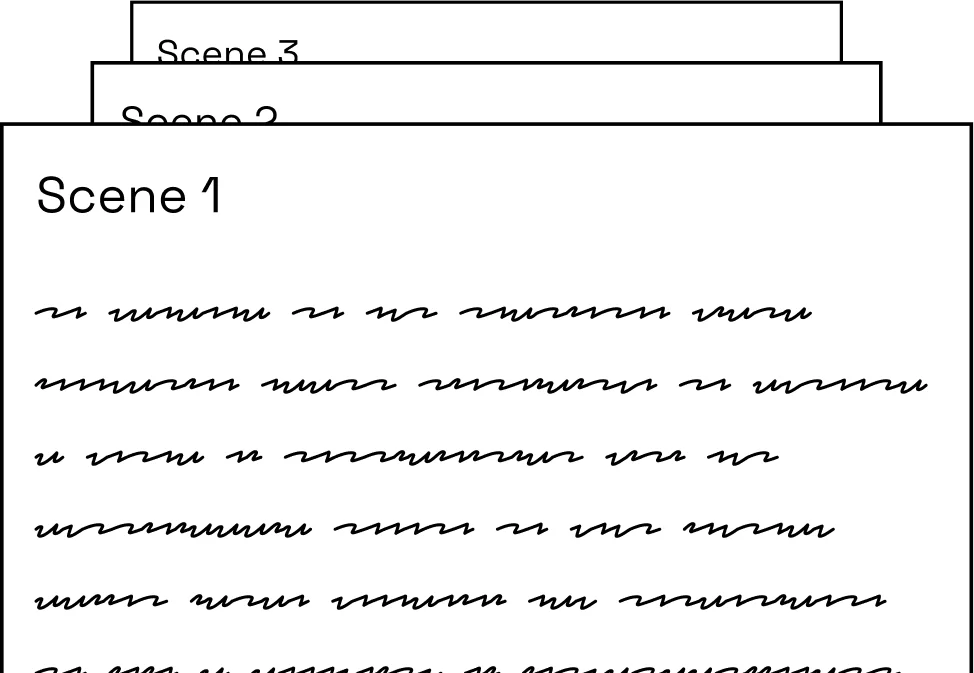
Structures the message and writes the script.
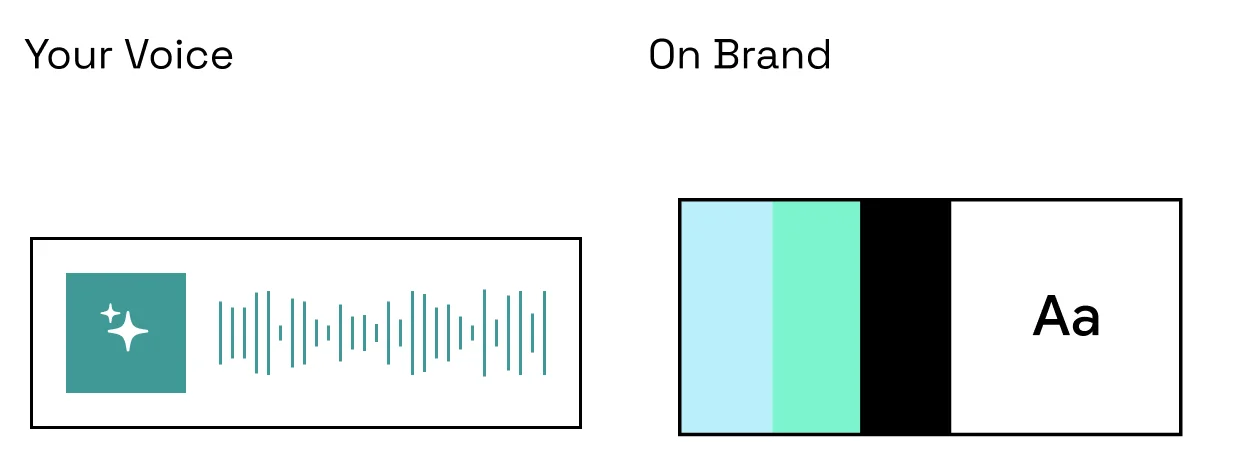
Narrated in your voice, on brand.
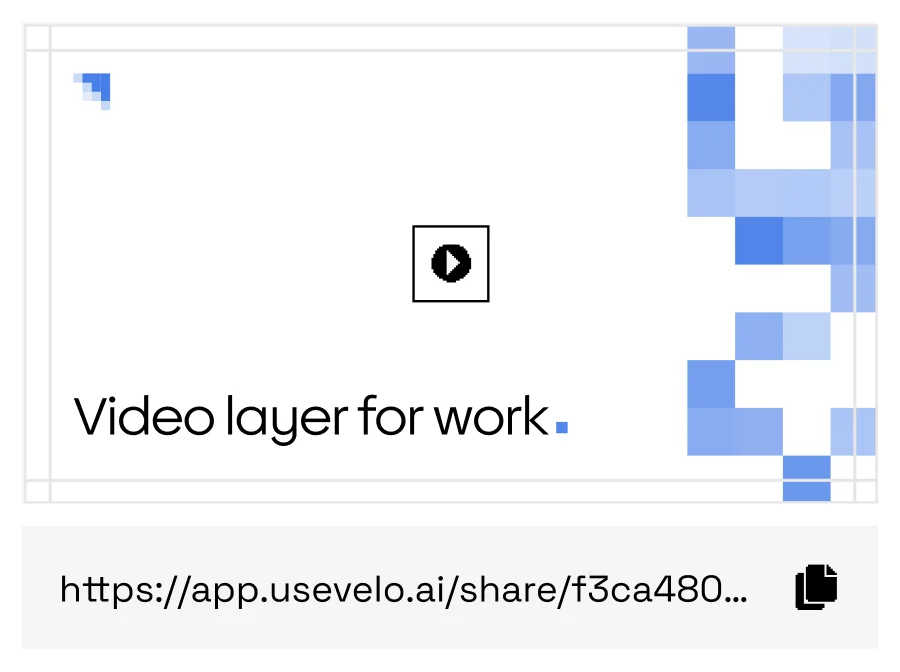
An embed, a link, output for every format, plus a written record to repurpose.
land the launch with a video.
keep demos current and on message.
make the value clear in a short video.
arm reps with on-message video.
a blog, release note, or battlecard.
Launches and demos, accurate to the product.
Video at volume across the funnel.
On-message content reps actually use.
We get production-ready product videos in a fraction of the time - and we're shipping twice as many without adding headcount.

Product launches, demos and demo libraries, explainers, and sales-enablement content - each accurate to your product, with a written record.
Velo reads your context (a deck, doc, product URL, or prompt), writes the script, renders the video in your voice, and gives you the video plus a written record.
Yes. When the product changes, edit the script and Velo re-renders the demo - no re-recording.
Yes. Type or describe the launch (text-to-video), or upload a deck - no camera or editing skills required.
Yes. Velo builds a narrated demo from a deck or the live product page.
Yes. Every video becomes an editable written record you can repurpose.
Yes. Render the same launch in any language, narrated in your voice.
Editors and templates assemble what you make. Velo turns your product and messaging into clear video, re-renders on change, and produces a written record - one system, not a stack.